.png)
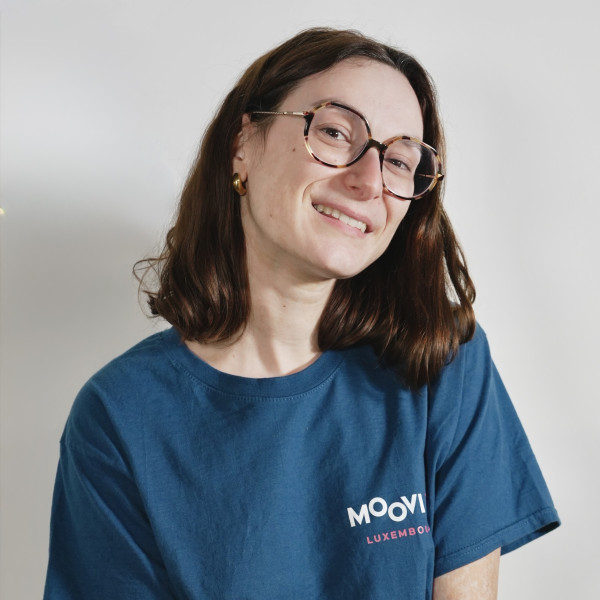
Today's job market is nothing like the one our parents knew. Between LinkedIn, job boards and online interviews, the image you project is just as important as your skills. And while including a photo on your CV isn’t mandatory, it's still widely used in Luxembourg and can make all the difference when chosen well.
A well-written CV gives potential employers a detailed overview of your education and professional background, as well as your personality and personal interests. The challenge is that unless you are in the design or graphic design industry, there are not many ways to stand out. That’s where your photo comes in!
Here are 8 simple and effective tips for getting a professional and authentic CV photo.
1. Show your personality
Your photo should reflect who you really are: professional, of course, but also natural and approachable. Avoid stiff poses or forced smiles. A confident look and a relaxed expression will inspire far more trust.
Tip: Use the same photo for your CV and LinkedIn profile to keep your professional image consistent.
2. Pay attention to quality and lighting
A blurry or poorly lit photo can ruin a good first impression. Use natural light (near a window, for example) and a neutral background. If possible, ask someone to take the photo for you rather than using selfie mode.
3. Show a little more than just your face
A portrait cropped from the shoulders up works best. It shows your posture and expression without being too distant. Avoid overly close shots or full-body photos.
4. Try several angles and expressions
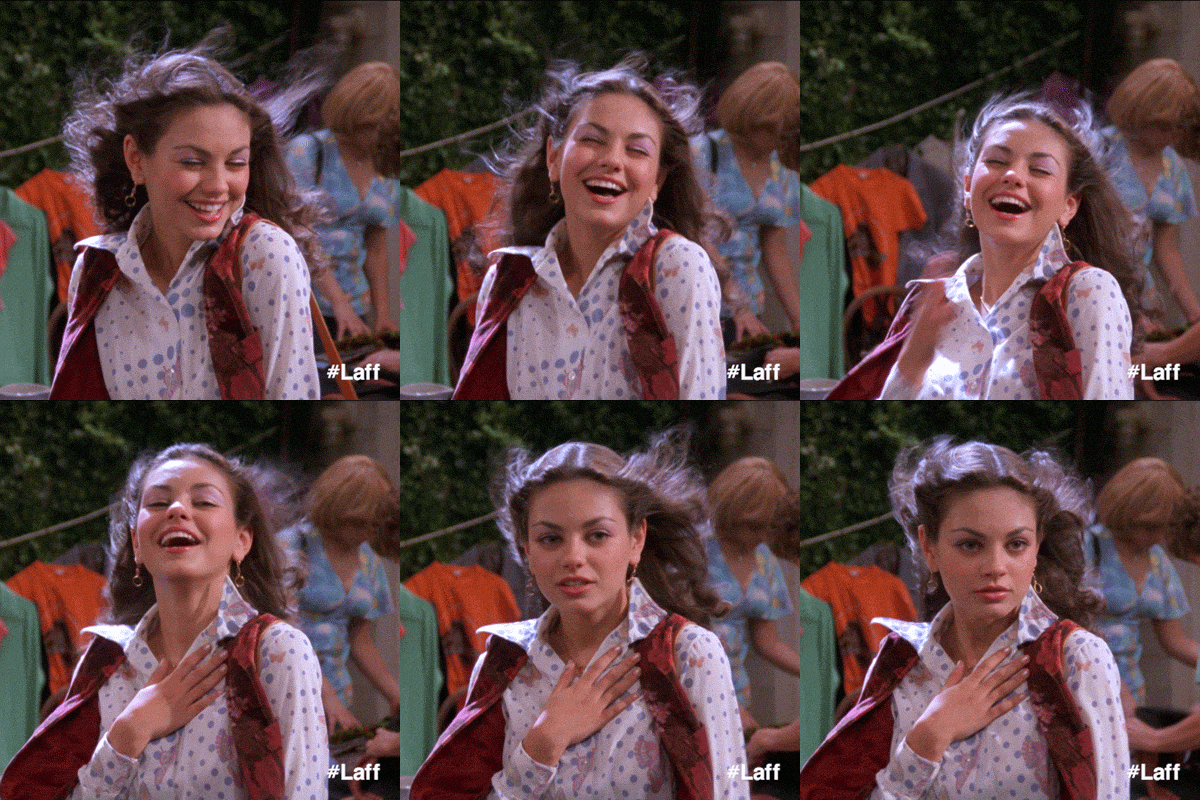
Before choosing the final photo, take several shots from different angles and with different expressions. The aim is to choose the photo that best represents you, without any artifice.
5. Create a professional photo with the right tools
There’s no need to book a professional photographer. A modern smartphone can do the trick if it’s set to the highest resolution and stabilised (with a tripod or against a wall, for example).
Whether you use a smartphone or a camera, make sure you:
- Set the resolution to the highest possible quality.
- Keep the photo straight and steady using a tripod or a flat surface.
- Use a remote shutter if you’re shooting with a DSLR.
6. Edit with moderation
A few minor edits are acceptable (brightness, framing, removing an unsightly spot), but don’t overdo it. You must remain recognisable during the interview!
Free tools like Adobe Photoshop Express, Canva or Fotor can help you make simple adjustments.
7. Play with the background
A clean, light-coloured background is always a safe choice, but you can also go for a soft tone or a slightly blurred background. This will help you stand out while keeping the focus on your face.
The key is to match your photo style to your industry. For example, a simple and elegant look works well in finance, while a more creative vibe fits communication or design roles.
8. Artificial intelligence, yes... but with caution
Tools such as Aragon AI, Remini and HeadshotPro can now generate professional portraits from a few selfies. The results can be impressive (neutral background, perfect lighting, polished posture), but there are still a few pitfalls to avoid:
- Don’t choose an image that no longer looks like you. The recruiter might not recognise you!
- Avoid unreliable free AI tools that produce unrealistic or distorted results.
- If the photo has been heavily edited, mention that it was generated using AI, particularly on LinkedIn, to be transparent.
AI can be a practical and budget-friendly solution, as long as it remains true to your real image.
Key takeaways
Your CV photo is the first impression you make, even before the first contact. Take the time to get it right, whether you use a photographer, your smartphone or artificial intelligence. The important thing is that it reflects the best version of yourself: professional, confident and authentic.
Discover more career tips and advice on our blog.