.png)
Behind every profession is a person, a human being with a story. In an ultra-connected world shaped by constant technological change, and especially with the rise of AI, it is essential to remember the importance of the human element. In this series of articles, discover the journeys, choices, and commitment of those who have turned their profession into a true vocation in Luxembourg.
"That gives our profession its value is the human connection and the pleasure of helping others. Nothing, not even AI, can replace that."
A journey shaped by meaningful experiences
At 30, Yann now works as a nurse anaesthetist, a demanding role that takes him between the operating theatre, intensive care and eventually prehospital emergency services (SAMU). Originally from Luxembourg, with Luxembourgish and Belgian roots, his path was far from straightforward at the beginning.
Initially interested in physiotherapy, he chose to start with nursing training to immerse himself in the healthcare field, and it was during his first year that he discovered his true vocation. After graduating in 2018, he quickly aimed to specialise in anaesthesia. However, after a first unsuccessful attempt due to personal reasons, he decided to pause his studies for three years. This period was far from inactive: he gained diverse experience caring for elderly patients, working with the Luxembourg Red Cross and participating in blood donation campaigns, all of which strengthened his expertise and reinforced his motivation.
In September 2022, he resumed his studies and obtained his nurse anaesthetist qualification in 2024, before shortly joining the Hôpitaux Robert Schuman.
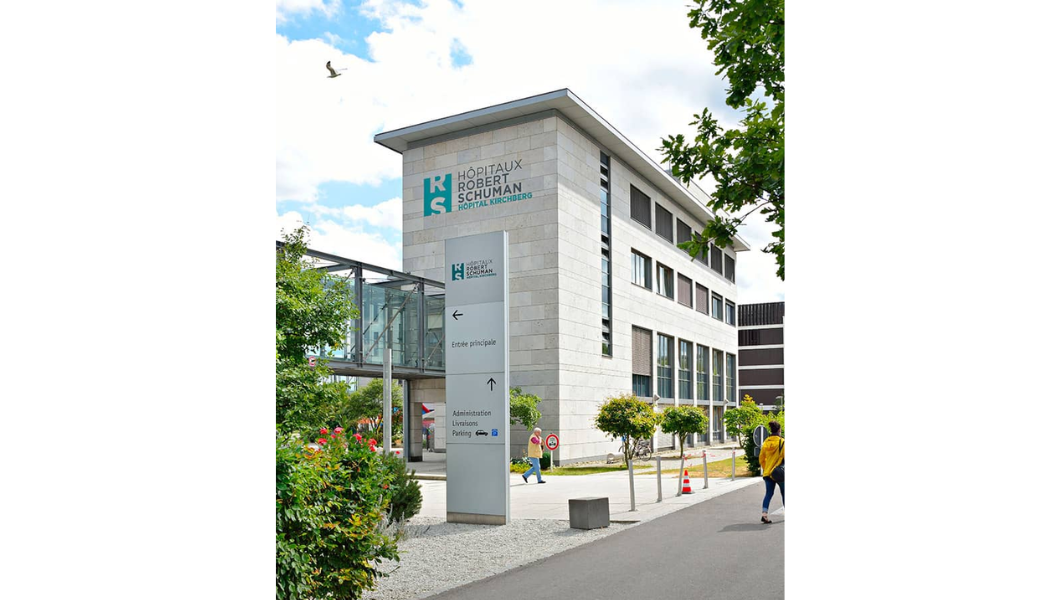
© Robert Schuman Hospitals Kirchberg
Fun fact: as a child, he had sworn he would never work in a hospital. "I remember that on my seventh birthday, I told my mother I wanted nothing to do with hospitals."
Looking back, his journey takes on an almost paradoxical dimension. Sociable and people-oriented, he gradually realised that he did not want a desk job but rather an active, human-centred and hands-on profession.
The versatility of a demanding profession
Yann’s daily routine is difficult to summarise because every day is different. "Every minute, even every second, counts," he explains. Depending on the patient and how their condition evolves, organisation can change at any moment.
In the operating theatre, his role is to put patients under anaesthesia, ensure their stability during the procedure and guarantee a safe recovery afterward. In intensive care, the work relies on constant analysis: monitoring vital signs, interpreting medical results and adapting treatments alongside doctors. "We monitor, analyse, act and then reassess. It’s a continuous cycle," he emphasises.
Since each patient is unique, no two situations are ever truly alike. "The examinations may be identical, but the progression and treatment remain entirely individual, and that’s what I love about this profession."
Among the essential qualities for the role, Yann highlights empathy, open-mindedness, patience, and adaptability. However, the pace of work is an important reality that must be considered from the start of one’s career.
Yann has not yet joined the prehospital emergency service (SAMU), which requires four to five years of experience before applying. In this role, he would operate between the CGDIS emergency services and the hospital, ensuring early patient care, stabilisation, and rapid transport to the hospital. Working with SAMU remains one of his major professional ambitions.
To learn more about the nursing profession, read our dedicated article.
Between clichés and reality: the nurse anaesthetist facing emergencies
The profession regularly involves critical situations, including cardiac arrests, unstable patients and life-threatening emergencies. "Sudden deterioration is part of our daily reality," he explains. Managing stress is essential in these moments.
Certain experiences leave a lasting impression. He recalls an intervention during his training when a five-year-old child called emergency services and began performing chest compressions on his unconscious mother before help arrived: "He showed extraordinary calm." The patient survived.
To handle emergency situations effectively, he insists on the importance of never acting alone. Taking a few seconds to exchange with the team often provides a broader perspective and enables more efficient action.
Team cohesion is also one of the foundations of the profession. "You can’t be friends with everyone, but you need a good dynamic and professionalism."
Contrary to common misconceptions, hierarchy is not strongly emphasised in his department: "Hierarchy exists on paper, but in practice we work hand in hand." This close collaboration with doctors and healthcare assistants allows for rapid and appropriate patient care.
It is just as important to highlight the quieter moments, which have their own value, such as patients returning to say hello or thank you, or simply sharing a smile before leaving the department. "Seeing patients leave with a smile is what makes me most proud."
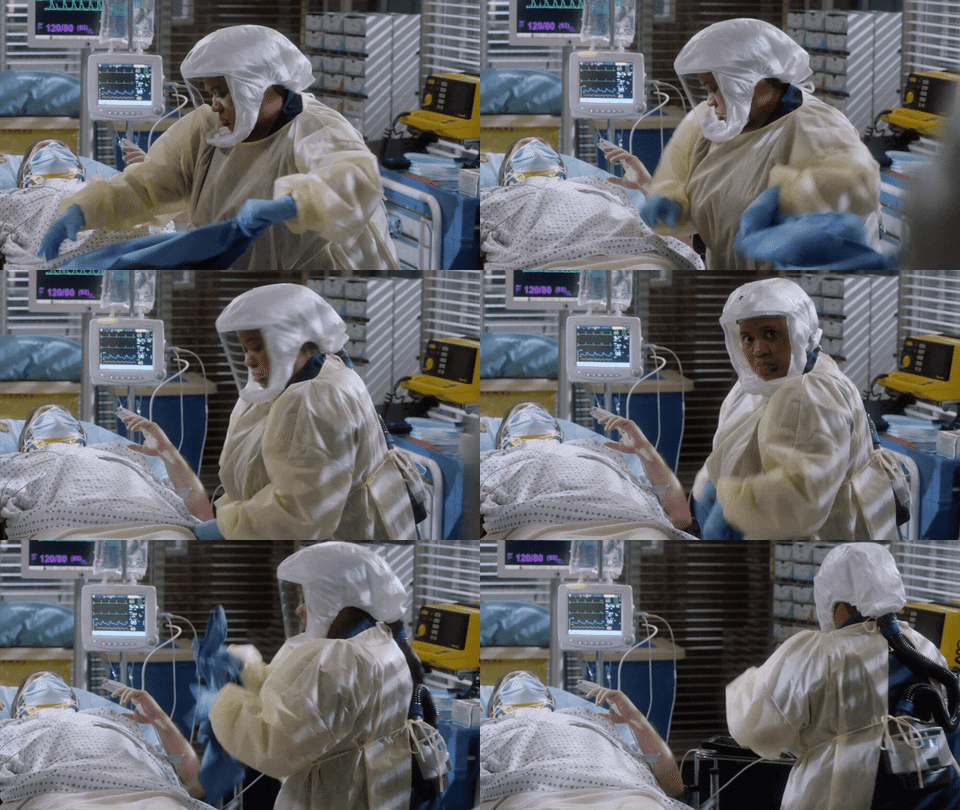
Despite the richness of these experiences, many misconceptions persist, often fuelled by medical TV dramas. "In Grey’s Anatomy, there’s only about 1% truth, the rest is cinema," he says. Even with a limited number of patients, the mental workload and responsibility remain significant, particularly when facing death or emotionally difficult situations. Fortunately, psychological support systems exist to help healthcare professionals cope.
A profession in constant evolution
The medical sector evolves rapidly, with new technologies, medications and practices emerging constantly. Continuous training is therefore essential, whether through specialised journals, internal training sessions or regularly consulting updates provided by department heads and doctors. "We often do things out of habit, so it’s important to stay up to date with new practices," Yann explains.
AI is also part of ongoing discussions in the sector, but Yann remains convinced it will never replace humans. AI can assist with research or data monitoring, but it provide patient care.
Luxembourg stands out for its strong presence of cross-border workers. "Various studies have shown that if only Luxembourgers worked in healthcare, they would represent just 30% of the country’s medical and caregiving workforce," he explains. The system is therefore multicultural, not only geographically, but also culturally and intellectually as well. In daily practice, this diversity facilitates communication with patients and helps overcome language barriers, sometimes thanks to multilingual colleagues or hospital interpreters.
According to Yann, working conditions in the Grand Duchy remain particularly advantageous compared to neighbouring countries, whether in terms of hierarchy, team support or psychological assistance. The internal support groups mentioned earlier help maintain employees’ mental well-being and ensure a sustainable, balanced work environment.
Managing pace and priorities
The work rhythm, often involving shift work, weekends and public holidays, requires strong organisation. "Sometimes I have to make sacrifices, but I can still enjoy my private life," he explains. Over time, everyone learns to set their own limits.
For those considering this career, he emphasises the importance of motivation and a genuine appreciation for human contact. He feels he has turned his vocation into a profession, a demanding commitment, yet deeply rewarding for anyone who truly wants to make a difference every day.
Discover all nursing job opportunities currently available in Luxembourg.
Did this testimonial inspire you? Share your own story and raise awareness of the often overlooked aspects of your profession! Contact us at communication@moovijob.com.